Why Proper Base Prep and Turf Design Help Water Flow Away Fast
Artificial grass installation improves drainage by creating a layered system that moves water down and away from the surface. Instead of trapping rain like compacted soil often does, synthetic turf sits on a permeable base. Water passes through small holes in the backing, then flows into crushed stone below. From there, it drains into the ground or a nearby outlet. This setup helps prevent puddles, mud, and standing water after storms.
Quick Answer: How the Drainage System Works
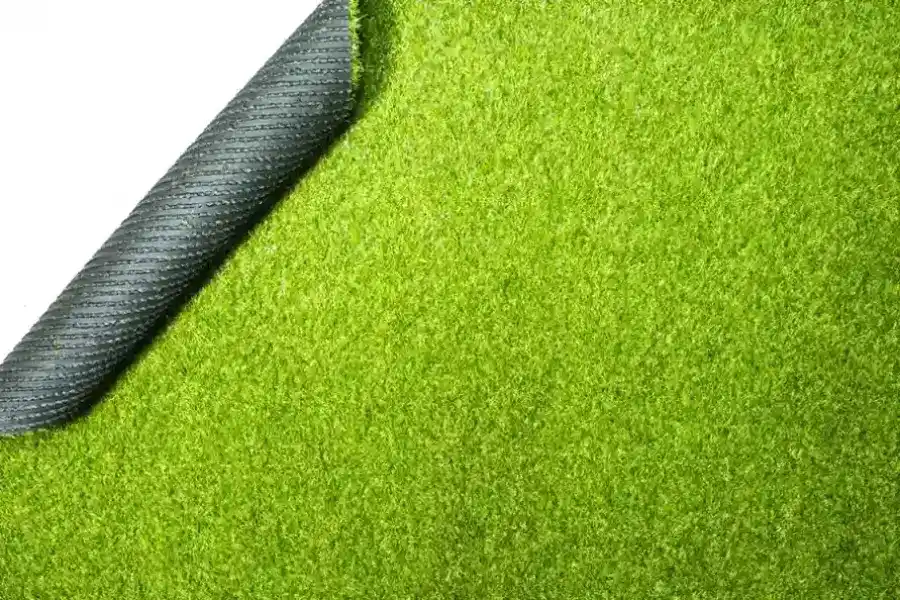
The real drainage power comes from what sits under the turf. During professional artificial grass installation, crews remove old soil and replace it with crushed rock. This stone base has spaces between each piece. Those spaces allow water to move freely. Many turf products also have perforated backing. That means rain can pass straight through instead of sitting on top.
Together, these layers work like a filter system. Water goes down fast. The surface stays dry enough to use sooner after rain.
What You Need Before Starting
If you are planning a turf project, good prep is key. Drainage problems usually start with poor base work. Before installation begins, make sure you have:
- A clear plan for where water will flow
- Proper slope away from your home
- Quality crushed stone or aggregate base material
- Weed barrier fabric if needed
- Access to drains or natural soil areas for runoff
The service category keyword plays a role here because the overall landscaping design affects how water moves across the yard. Turf is one part of a bigger system.
Step-by-Step: How Artificial Grass Installation Improves Drainage
- Remove existing grass and soil. This clears out roots and compacted dirt that trap water.
- Grade the area. The ground is shaped with a small slope so water flows away from buildings.
- Add a crushed stone base. This layer is usually a few inches thick and compacted evenly.
- Install edging. Edging holds the base in place and keeps it from spreading.
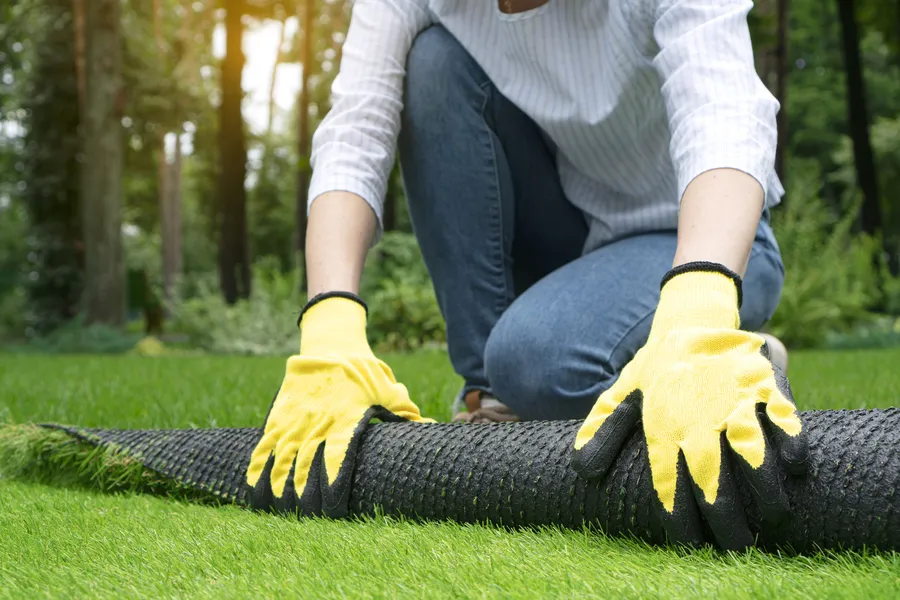
- Lay the turf and secure it. The backing allows water to pass through.
- Brush and infill the surface. Infill helps keep blades upright and supports even drainage.
Each step supports fast water movement. Skip one, and you may see pooling later.
Common Drainage Mistakes to Avoid
Even small shortcuts can cause big issues. Watch out for these problems:
- Not adding enough base material
- Failing to compact the stone evenly
- Installing turf on flat ground with no slope
- Blocking nearby drains with edging or debris
- Using low-quality turf with poor drainage holes
For example, if the yard slopes toward the house, water may collect along the foundation. That can lead to costly damage. A slight grade away from structures helps prevent this.
When to Call a Professional
Small areas may be handled by skilled DIY homeowners. But large yards, pet areas, and places with heavy rain often need expert help. Clay soil, which drains slowly, can also create challenges. In these cases, drainage solutions like extra base depth or French drains may be needed.
A professional team will test the slope, review soil type, and plan proper runoff paths. They can also tie the turf system into existing drains. This step adds long-term protection.
Final Recommendation and Next Steps
If your yard turns muddy after every storm, artificial grass installation may be a smart fix. The layered base system moves water quickly and keeps the surface usable. In Pismo Beach, CA, heavy rain can expose weak drainage fast. Our team at Synthetic Grass Solutions Pismo Beach builds every project with proper grading and strong base prep so water flows where it should. Call (805) 426-7010 to talk with us about improving your outdoor space and keeping it dry year-round.