A Smarter Way to Move Water Away From Your Lawn
Synthetic grass installation improves yard drainage by creating a layered system that moves water down and away from the surface. Instead of soaking into compacted soil and forming puddles, rainwater passes through the turf backing, into a rock base, and drains into the ground below. When installed the right way, this system helps prevent standing water, mud, and erosion.
Quick Answer: Why It Drains Better Than Natural Grass
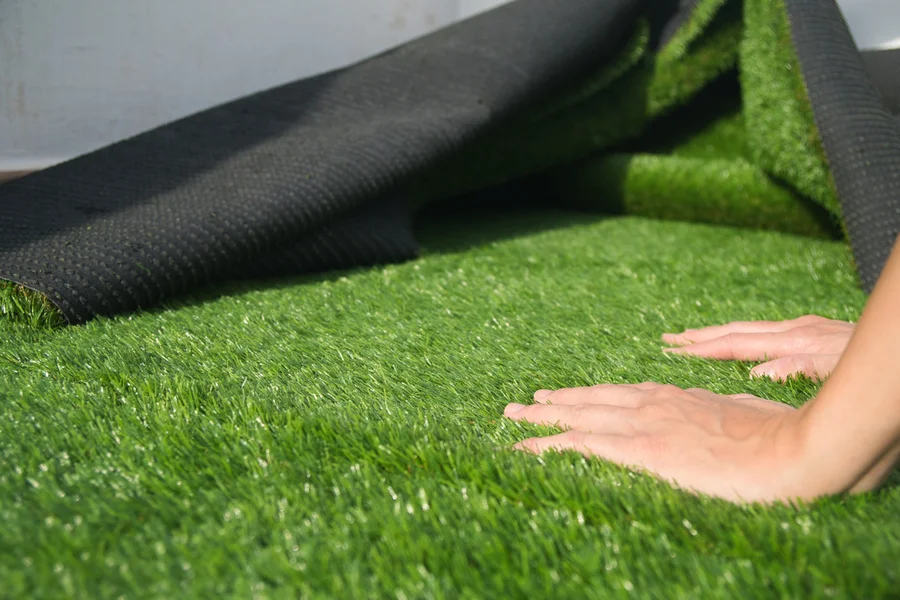
Natural grass often struggles with drainage because soil becomes hard and compacted over time. Water sits on top and creates soggy spots. Synthetic grass installation removes this problem by replacing the top layer with permeable materials designed to handle heavy rain.
The turf itself has small drainage holes. Under that sits a crushed stone base that allows water to flow freely. This layered design makes a big difference during storms or long rainy weeks.
What You Need Before Starting
Good drainage starts with proper planning. Before installing artificial turf, you need to look at your current yard conditions.
- Check for low spots where water collects
- Look at how water flows during heavy rain
- Test how compact your soil feels
- Plan where excess water will exit the yard
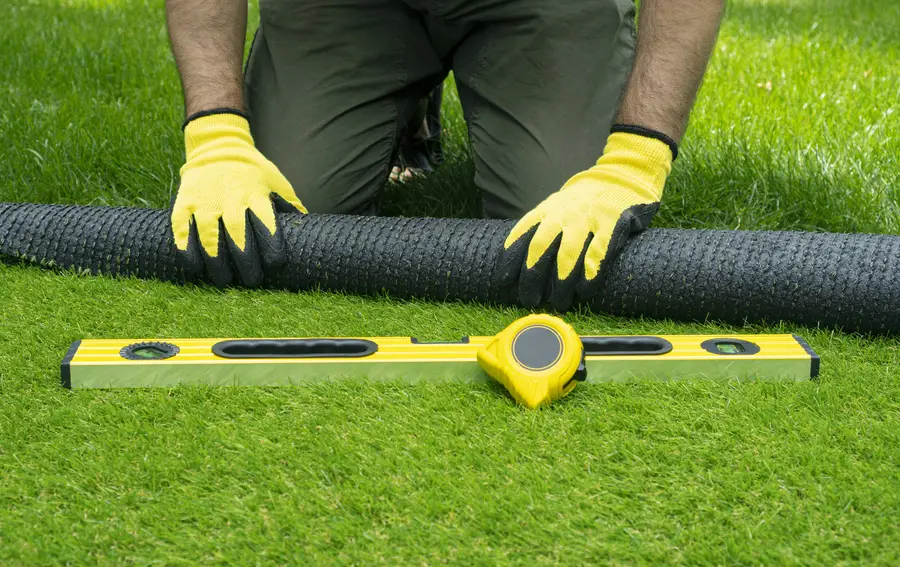
You may also need basic supplies such as crushed rock, a weed barrier, drainage fabric, and edging materials. If the yard already has major pooling issues, grading adjustments may be required before the turf goes down.
Step-by-Step: How Synthetic Grass Installation Improves Drainage
Here is how the process typically works:
- Remove existing sod and soil. This clears out compacted dirt and roots that block drainage.
- Grade the area. The ground is shaped so water flows away from your home.
- Install a solid base layer. Crushed stone or decomposed granite is added and compacted.
- Add a leveling layer. This creates a smooth surface and supports even water flow.
- Lay the synthetic turf. The backing allows water to pass through easily.
- Secure and finish edges. Proper seams and edging prevent shifting that could trap water.
Each layer plays a role. The base layer is the most important part. It acts like a built-in drainage bed, helping water filter through quickly instead of sitting on top.
Common Mistakes That Lead to Poor Drainage
Even high-quality turf can fail if installed incorrectly. Here are mistakes that cause problems:
- Skipping proper grading
- Using the wrong base material
- Not adding enough base depth
- Poor compaction
- Blocking natural drainage paths
Some homeowners try to place turf directly over existing soil without preparing the base. This often leads to puddles under the surface. Over time, that trapped moisture can create odor issues or uneven spots.
Extra Features That Improve Drainage Even More
In yards with heavy clay soil or severe pooling, extra drainage steps may help. These might include:
- French drains along the perimeter
- Drainage pipes under the base
- Catch basins in low areas
- Connecting to existing landscape drainage systems
These features move water away faster during heavy storms. They work together with the synthetic grass installation to create a complete drainage plan.
When to Call a Professional
Small, flat yards with mild drainage issues may be manageable with careful planning. But larger properties or homes with serious water problems often need expert help.
If your yard has:
- Flooding near the foundation
- Water flowing back toward the house
- Deep standing puddles after rain
- Sloped or uneven terrain
It is smart to consult with a team experienced in both turf and landscape drainage. Proper grading and base preparation take skill and the right tools. A professional installation reduces the risk of costly rework later.
Long-Term Drainage Benefits
Once installed correctly, synthetic turf requires little upkeep to maintain good water flow. There is no mud, no need for aeration, and no compacted soil to fight against.
Regular maintenance is simple:
- Remove leaves and debris
- Rinse the surface occasionally
- Check edges and seams yearly
This helps maintain strong drainage performance year after year. Many homeowners notice their yard dries faster after rain compared to traditional grass areas.
Get Expert Help for a Dry, Clean Yard
If you are dealing with soggy grass or standing water in Pismo Beach, CA, our team at Synthetic Grass Solutions Pismo Beach can help design a yard that drains the right way. We focus on proper base preparation and smart grading so water moves away from your home, not toward it. Call us at (805) 426-7010 to schedule a consultation and learn how we can improve your yard drainage with professional synthetic turf installation.